- admin
- August 31, 2026
- Uncategorized
Terrain Safaris
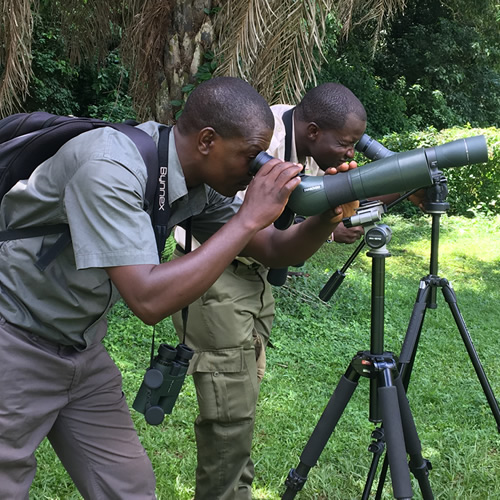
Uganda is widely regarded as one of Africa’s finest birding destinations, hosting over 1,090 recorded bird species within a relatively compact territory. This remarkable diversity is owed to the country’s unique position at the meeting point of several biomes: the East African savannah, the Central African rainforest, the Albertine Rift montane forests, and extensive wetland systems. For birdwatchers planning a trip, one of the most frequently asked questions is: when is the best time to visit? This article offers a considered overview of Uganda’s birding calendar, so that visitors may plan their safari to coincide with optimal conditions.
Understanding Uganda’s Climate and Its Effect on Birding
Uganda lies on the equator and enjoys a relatively mild, tropical climate throughout the year, which is part of why it can be birded productively in almost any month. That said, the country experiences two broad rainy seasons and two broad dry seasons, and each of these periods offers a distinct birding experience. Rather than there being a single “best” month, it would be more accurate to say that different times of year suit different birding priorities, whether that be resident species, migratory visitors, ease of travel, or breeding plumage.
The two dry seasons run approximately from December to February and from June to September, while the wetter months fall roughly between March and May, and again from October to November. It is worth noting that Uganda’s rains are rarely prolonged, all-day downpours; they tend to arrive as afternoon or evening showers, with mornings often remaining clear and suitable for birding.
The Dry Seasons: June to September and December to February
Many seasoned birding guides consider the dry seasons to be the most convenient time for a Uganda birding safari, primarily for practical reasons. Roads and forest trails are more accessible, water levels in wetlands and swamps recede, which concentrates birds around remaining water sources, and overall visibility is improved due to reduced vegetation cover and clearer skies.
The June to September window coincides with Uganda’s long dry season and is often favoured by visitors combining birding with primate trekking, since gorilla and chimpanzee tracking in Bwindi Impenetrable National Park and Kibale Forest National Park is also more comfortable during this period. Birding highlights at this time include excellent sightings of forest specialities in Bwindi and Kibale, as well as good visibility for raptors and savannah species in Queen Elizabeth National Park and Murchison Falls National Park.
The December to February dry spell is particularly notable for birders because it overlaps with the presence of Palearctic migrants, discussed further below, making it arguably the single richest period for species diversity.
The Migration Season: November to April
Perhaps the most compelling reason to consider a specific travel window is the arrival of Palearctic migrants, birds that breed in Europe and Asia during the northern summer and travel south to escape the harsh winter. These migrants typically begin arriving in Uganda from around October and November, remain through the cooler months, and depart again by April.
During this period, birders can expect to see species such as European Bee-eaters, various swallows, several species of warblers, and numerous shorebirds and waders that congregate around Uganda’s lakes and wetlands, including Lake Mburo, Lake Bunyonyi, and the shores of Lake Albert and Lake Edward. This overlap of resident African species with visiting Eurasian migrants significantly boosts the total number of species that can be observed in a single trip, which is why many birding tour operators recommend the months of December through March as an especially rewarding window.
The Wet Seasons: March to May and October to November
While the dry seasons offer convenience, the wetter months should not be dismissed, as they bring their own considerable advantages, particularly for birders whose primary interest lies in breeding behaviour and plumage. Many resident species enter breeding condition during or shortly after the rains, when food is most abundant. This is the best time to observe elaborate courtship displays and to see birds in their finest breeding plumage, including the striking colours of certain weavers, bishops, and whydahs.
The rains also stimulate an increase in insect activity, which in turn draws greater numbers of insectivorous birds, and newly filled wetlands attract a wider array of waterbirds. Areas such as Mabamba Swamp, one of the most reliable sites in the world for observing the prehistoric-looking Shoebill Stork, can be productive throughout the year, though water levels and boat access may vary with rainfall.
It is worth mentioning that the “wet” seasons in Uganda are generally not a significant deterrent to travel. Rainfall tends to be moderate and localised rather than continuous, and many birding lodges and camps offer reduced rates during these quieter months, which may appeal to travellers seeking better value alongside their birding experience.
Regional Considerations
Uganda’s varied ecosystems mean that timing can also depend on where a visitor intends to bird:
- Bwindi Impenetrable National Park and Semuliki National Park, both important for Albertine Rift endemics and lowland forest species respectively, are accessible year-round, though the drier months make forest trails easier to navigate.
- Queen Elizabeth National Park, with its mix of savannah, forest, and wetland habitats, is excellent throughout the year, but the dry seasons offer improved game-viewing roads and clearer sight-lines across the plains.
- Murchison Falls National Park, known for species such as the Shoebill along the Nile’s delta and numerous raptors, is best visited when river levels allow for boat access, generally during the drier months.
- Mabamba Swamp and Lake Mburo National Park can be rewarding at almost any time, though the presence of migrants between November and April adds considerable variety.
A Brief Month-by-Month Summary
For those seeking a quick reference, the following general guidance may be of assistance:
- December to February: Excellent overall birding, combining dry conditions with the presence of Palaearctic migrants. Widely regarded as a peak period.
- March to May: Wetter conditions, but favourable for observing breeding plumage and displays; fewer tourists overall.
- June to September: The long dry season, ideal for combining birding with primate trekking and general wildlife viewing.
- October to November: Migrants begin arriving, rains typically light to moderate, offering a good transitional period.
Final Thoughts
In truth, Uganda’s exceptional biodiversity means there is rarely a poor time to visit for birding purposes. Each season offers something distinct, whether that be the added richness of migratory species during the northern winter, the practical ease of travel during the dry months, or the vivid breeding displays that follow the rains. Prospective visitors are encouraged to consider their specific interests, whether they are pursuing a long list of species, particular sought-after birds such as the Shoebill or Albertine Rift endemics, or a broader combined wildlife experience, when selecting the ideal time for their safari.
For the most tailored advice, it would be prudent to consult with a reputable local birding guide or tour operator, who will be able to advise on current conditions, water levels, and recent sightings, ensuring that any visit is timed to make the very best of Uganda’s remarkable avian diversity.