Gorilla Trekking, Birding Tours, Wildlife safaris
At Terrain Safaris (U) Ltd, our East African safaris span a wide range of destinations, as we take great care to tailor each itinerary to suit the specific needs, interests, and preferences of our clients. Uganda and Rwanda, situated at the heart of the Albertine Rift, are home to some of Africa’s richest and most concentrated wildlife experiences, offering exceptional safaris that can be seamlessly combined between the two countries to create a truly comprehensive East African journey.
From mountain gorilla trekking in the misty forests of Bwindi and Volcanoes National Park, to chimpanzee tracking in Kibale and Nyungwe, and further afield to the classic savannah landscapes of Kenya and Tanzania, we design each itinerary around what matters most to our travellers, whether that be primate encounters, exceptional birdlife, or iconic wildlife viewing. Our deep local knowledge and commitment to responsible, community-focused tourism ensure that every safari we arrange delivers both an unforgettable experience and a meaningful contribution to conservation across the region.
Our carefully crafted gorilla trekking tours take you into Uganda’s Bwindi Impenetrable National Park and Rwanda’s Volcanoes National Park, offering intimate and unforgettable encounters with these remarkable primates. Whether you choose gorilla trekking, an extended gorilla habituation experience, or a tailor-made safari, we ensure every journey is thoughtfully planned around your interests and comfort. From expert local guides and seamless transfers to carefully selected accommodation, Terrain Safaris delivers authentic, responsible, and memorable gorilla experiences across the heart of Africa.
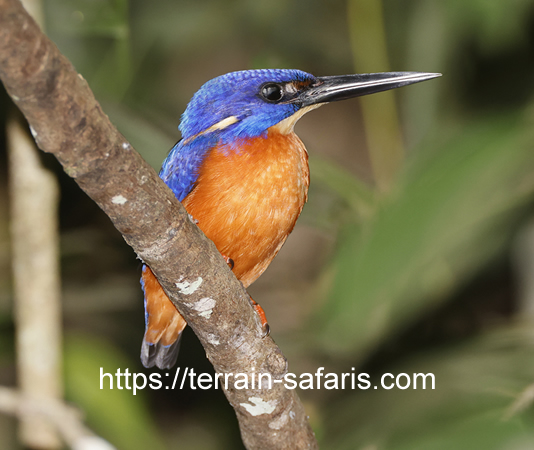
Uganda is not new to birders, several tourists have visited the Country on different birding trips and visited different bird watching destinations that include forests, wetlands, savannah grasslands etc. Accolades for Uganda,s birding delights are rarely understated. Nigel Wheatley, for instance, in “Where to Watch Birds in Africa (1995) said: “In terms of it’s size, Uganda is the richest country for birds in Africa.” And this immense volume occurs miraculously in a space which keen birders can cover in a relatively short visit.Philip Briggs writes: “Uganda is arguably the best country in Africa for birds, with more than 1000 species recorded in an area the size of Britain” A fact that for birding safaris, Uganda should be on top of the list.
Uganda Wildlife Safaris
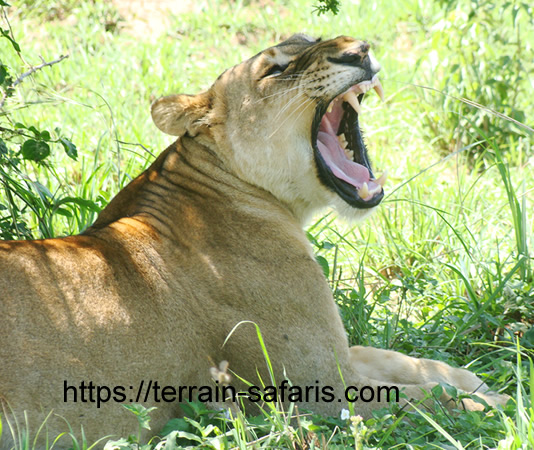
Uganda, often called the “Pearl of Africa,” is home to extraordinary biodiversity despite its relatively small size. The country hosts nearly half of the world’s remaining mountain gorillas, found in Bwindi Impenetrable Forest and Mgahinga National Park. Beyond gorillas, Uganda boasts over 1,000 bird species, tree-climbing lions in Queen Elizabeth National Park and vast savannas teeming with elephants, buffalo, and antelope across Murchison Falls and Kidepo Valley.
Conservation efforts in Uganda involve a mix of government agencies, local communities and international organisations working to combat poaching, habitat loss and human-wildlife conflict.
Uganda’s extraordinary natural wealth, from its status as home to nearly half the world’s remaining mountain gorillas to its remarkable diversity of birdlife, savannah wildlife and equatorial rainforest, firmly establishes the country as one of Africa’s most compelling safari destinations. What makes Uganda’s story particularly noteworthy, however, is the manner in which conservation and tourism have developed as mutually reinforcing pursuits rather than competing priorities. Decades of dedicated protection, beginning with early gorilla conservation efforts and formalised through the work of the Uganda Wildlife Authority, have enabled the careful, science-based management of fragile ecosystems alongside a thriving tourism sector.
As Uganda continues to expand its global presence as a premier wildlife destination, the ongoing collaboration between government agencies, local communities, and international conservation partners remains essential to addressing challenges such as habitat encroachment, human-wildlife conflict, and poaching. Encouragingly, revenue-sharing schemes and community-based initiatives have helped ensure that the benefits of tourism extend meaningfully to the people living closest to these protected landscapes.
Ultimately, Uganda’s wildlife and wilderness represent an irreplaceable global asset. Through continued investment in sustainable tourism practices and rigorous conservation governance, the Pearl of Africa is well positioned to safeguard its natural heritage, ensuring that future generations of travellers and Ugandans alike may continue to experience its remarkable biodiversity.