- admin
- August 31, 2026
- Uncategorized
Terrain Safaris
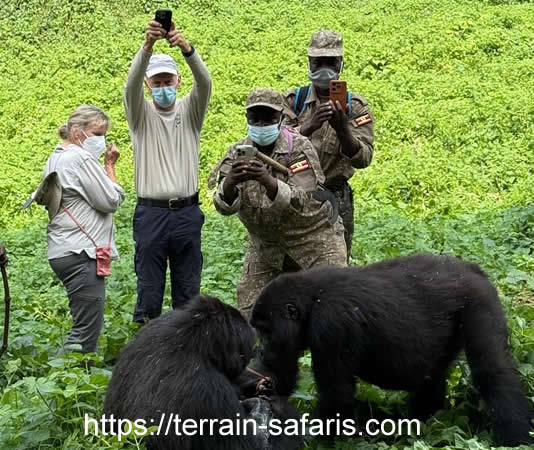
Gorilla trekking is, for many travellers, the highlight of an East African safari, offering the rare privilege of observing endangered mountain gorillas in their natural habitat. Whether one is journeying to Bwindi Impenetrable National Park or Mgahinga Gorilla National Park in Uganda, Volcanoes National Park in Rwanda, or Virunga National Park in the Democratic Republic of Congo, the experience demands thoughtful preparation. The terrain is often steep, muddy, and densely vegetated, and weather conditions can change rapidly. This article provides a considered and comprehensive packing list to help ensure that visitors are properly equipped for a safe, comfortable, and memorable gorilla trekking adventure.
Understanding the Nature of the Trek
Before discussing specific items, it is worth appreciating what a gorilla trek actually involves. Treks typically begin with a briefing at a park headquarters in the early morning, followed by a hike into the forest that may last anywhere from thirty minutes to several hours, depending on the location of the gorilla family being visited on that particular day. The terrain is frequently steep and slippery, especially given that these forests receive substantial rainfall throughout the year. Once the gorillas are located, visitors are permitted one hour in their presence before making the return journey. With this in mind, the packing list below has been organised into clothing, footwear, equipment, health and hygiene items, and miscellaneous essentials.
Clothing
Long-sleeved shirts and long trousers are strongly recommended rather than optional, as they protect the skin from nettles, thorny vegetation, and biting insects that are common in the forest understorey. Neutral colours such as khaki, olive, or brown are preferable, as bright colours may startle wildlife and dark colours can attract insects.
A lightweight, breathable long-sleeved base layer is useful given that temperatures can vary considerably between the start of the trek in the cool early morning and the exertion of hiking through humid forest later on.
A waterproof rain jacket is essential, regardless of the season chosen for travel, as the region’s weather can be unpredictable and showers may occur even during the drier months. It is advisable to select a jacket that packs down small, as it may need to be carried for much of the day.
Warm layers, such as a fleece or light jumper, are worthwhile additions, particularly for early morning starts when temperatures at higher altitudes can be notably cool.
Gardening-style gloves are often overlooked but prove immensely useful, as they protect the hands from stinging nettles and thorny undergrowth when using hands to steady oneself on steep sections of the trail.
Footwear
Sturdy, waterproof hiking boots with good ankle support are among the most important items on this list. The terrain is frequently uneven, muddy, and steep, and proper footwear significantly reduces the risk of slips or ankle injuries. Boots should ideally be worn in prior to travel, so as to avoid blisters during the trek itself.
Gaiters are a worthwhile consideration, as they help keep mud, water, and biting ants from entering the tops of boots, which can otherwise be a considerable nuisance on longer treks.
A spare pair of thick, moisture-wicking socks is advisable, as feet are likely to become damp during the trek, and dry socks for the return journey or subsequent day can make a meaningful difference to comfort.
Equipment and Accessories
A daypack or small backpack is necessary for carrying water, snacks, and any additional layers throughout the day. Many trekkers choose to hire a porter locally, which is both a practical convenience and a valuable means of supporting the local community.
A walking stick or trekking pole can be of great assistance on steep or slippery inclines. These are often available for hire at park headquarters, though visitors who already own trekking poles may prefer to bring their own.
A hat with a wide brim offers protection from sun exposure during the initial part of the walk, before the forest canopy provides shade.
Binoculars, while not essential for the gorilla encounter itself, given the close proximity typically achieved, are valuable for observing other forest wildlife and birdlife along the way.
A camera with a fully charged battery and ample memory card space is highly recommended, as this is very often a once-in-a-lifetime experience. It should be noted that flash photography is prohibited, so a camera capable of performing well in low light conditions within the forest is preferable. A dry bag or waterproof camera cover is a sensible precaution given the likelihood of rain.
Health and Hygiene Items
Insect repellent containing an effective concentration of DEET or a suitable alternative is important, as mosquitoes and other biting insects are present in the forest environment.
Sunscreen, even on overcast days, is advisable, as UV exposure at higher altitudes can be more intense than expected.
A basic personal first aid kit is a sensible inclusion, containing items such as plasters, antiseptic cream, blister treatment, and any personal medication. Travellers should also ensure they are up to date with any recommended vaccinations and carry a course of anti-malarial medication, following consultation with a travel health professional.
Hand sanitiser and wet wipes are useful, particularly given that handwashing facilities may not always be readily available during the trek itself.
A reasonable supply of drinking water, generally between one and two litres, should be carried, along with energy-boosting snacks such as nuts, dried fruit, or granola bars, as treks can be physically demanding and vary considerably in duration.
Documentation and Miscellaneous Items
The gorilla trekking permit, along with a valid passport, should be carried at all times, as these will be checked prior to the start of the trek. It is prudent to keep photocopies of important documents separately from the originals.
A waterproof bag or dry sack for storing valuables, documents, and electronic devices is highly recommended, given the likelihood of rain and the general dampness of the forest environment.
Modest amounts of local currency, in small denominations, are useful for tipping guides, porters, and trackers, whose services are instrumental to the success of the trek and who traditionally rely on such gratuities as an important part of their income.
A Few Additional Considerations
Given the physical demands of gorilla trekking, visitors are encouraged to arrive in reasonably good physical condition, as treks can occasionally last several hours over challenging terrain. It is also advisable to dress in layers that can be added or removed as conditions change throughout the day, since temperature and weather can shift considerably between the start and end of the trek.
Travellers should further note that most trekking regulations require visitors to maintain a respectful distance from the gorillas and to avoid trekking if they are unwell, given the genetic similarity between humans and gorillas and the consequent risk of disease transmission. It is therefore worth packing a small supply of tissues and disposing of any waste responsibly, in keeping with the conservation principles that underpin these protected areas.
Suggested Packing List Summary
For ease of reference, the essential items may be summarised as follows:
- Long-sleeved shirt and long trousers in neutral colours
- Waterproof rain jacket and warm layer
- Waterproof hiking boots and spare socks
- Gardening gloves and gaiters (optional but useful)
- Daypack, walking stick, and wide-brimmed hat
- Binoculars and camera with spare batteries and memory
- Insect repellent, sunscreen, and a basic first aid kit
- Hand sanitiser, wet wipes, drinking water, and snacks
- Trekking permit, passport, and photocopies of key documents
- Waterproof bag for valuables and small denominations of local currency
Final Thoughts
A well-prepared traveller is far better positioned to enjoy the extraordinary experience of encountering mountain gorillas in their natural habitat, undistracted by discomfort or inadequate equipment. While the list above may appear extensive, most items are lightweight, and careful packing ensures that visitors are equipped for both the physical demands of the trek and the unpredictable nature of the forest environment. Prospective trekkers are encouraged to consult with their chosen tour operator in advance, as specific requirements may vary slightly depending on the destination, the season, and any particular regulations in place at the time of travel. With appropriate preparation, gorilla trekking promises to be an unforgettable and deeply rewarding adventure.