Uganda Safaris
Discover Uganda
Uganda is globally renowned for its critical role in the conservation of the endangered Mountain Gorilla, a species found in only a handful of locations across the Albertine Rift. Protection efforts date back to the 1920s, when these great apes were first placed under the care of the Forestry Department, laying the groundwork for decades of dedicated conservation work. A significant milestone came in the early 1990s, when Bwindi Impenetrable and Mgahinga Forests were formally gazetted as national parks and placed under the management of the Uganda Wildlife Authority (UWA). This marked a defining turning point in gorilla conservation, enabling more structured, science-based protection while paving the way for carefully regulated tourism that continues to support both wildlife preservation and local communities today. All these can be explored in a set of 10 national parks and 12 wildlife reserves.
Uganda, affectionately known as the “Pearl of Africa,” occupies a distinguished place among the world’s premier wildlife and tourism destinations. Nestled in the heart of East Africa, this landlocked nation is endowed with an extraordinary diversity of ecosystems, ranging from snow-capped mountains and expansive savannahs to dense equatorial rainforests and the shimmering waters of the great East African lakes. This remarkable natural endowment has positioned Uganda as a country of significant ecological importance and a growing hub for responsible tourism on the African continent.
- Tailor-Made Safaris
- Custom Safari packages
- Combined Tours - All destinations
- Support Community Based Tours
- Eco Friendly Safaris in line with conservation.
Uganda possesses exceptional biodiversity, home to over 1,000 bird species, 340+ mammal species, and roughly half the world’s mountain gorillas. Bwindi and Mgahinga protect these primates, while Kibale hosts remarkable chimpanzee populations. Queen Elizabeth and Murchison Falls National Parks showcase elephants, lions, buffalo, and abundant birdlife, with Murchison Falls’ dramatic gorge remaining one of Africa’s most awe-inspiring natural spectacles.
The intertwined destinies of tourism and conservation in Uganda underscore a broader truth: the long-term viability of the country’s tourism sector is inextricably linked to the health of its ecosystems. Sustainable tourism practices, community engagement, and rigorous conservation governance are not merely complementary pursuits but essential prerequisites for safeguarding Uganda’s natural heritage for future generations.
As Uganda continues to position itself on the global tourism stage, it faces the ongoing task of expanding infrastructure and visitor access while remaining vigilant against the risks of over-tourism and ecological degradation. Encouragingly, the country’s conservation authorities, civil society organisations, and local communities have demonstrated a shared commitment to responsible stewardship of these irreplaceable natural assets.
In conclusion, Uganda’s wildlife and landscapes represent not only a source of national pride but also a global ecological treasure. Through continued investment in conservation, thoughtful tourism management, and meaningful community participation, Uganda is well positioned to preserve its status as one of Africa’s most compelling and ecologically significant destinations, ensuring that the Pearl of Africa continues to shine for generations to come.
Further afield, Queen Elizabeth National Park and Murchison Falls National Park showcase Uganda’s savannah wildlife in full splendour: elephants, lions (including the notable tree-climbing lions of Ishasha), buffalo, Uganda kob, and a spectacular array of waterbirds along the Kazinga Channel and the Nile River. Murchison Falls itself, where the Nile is forced through a narrow seven-metre gorge, remains one of the most awe-inspiring natural spectacles in the region.
Tourism remains one of Uganda’s most vital economic sectors, generating substantial foreign exchange earnings and employment, and showing commendable recovery since the COVID-19 pandemic. Gorilla trekking permits contribute significant revenue, portions of which support conservation and community development, with the Uganda Wildlife Authority overseeing this balance between preservation and tourism growth. Beyond wildlife viewing, Uganda offers diverse experiences, including white-water rafting on the Nile at Jinja, mountaineering in the Rwenzori Mountains, cultural tourism rooted in the traditions of kingdoms such as Buganda, Bunyoro, and Tooro, and community-based initiatives that allow visitors to engage meaningfully with local livelihoods and heritage.
Conservation Challenges and Responses
Uganda’s conservation efforts face considerable challenges, including habitat encroachment, human-wildlife conflict, poaching, and climate change. In response, the Uganda Wildlife Authority administers a revenue-sharing scheme benefiting neighbouring communities, while dedicated programmes support indigenous groups such as the Batwa, historically resettled from Bwindi and Mgahinga. Additionally, partnerships with international organisations, including the International Gorilla Conservation Programme and the Wildlife Conservation Society, have strengthened anti-poaching patrols, wildlife health monitoring, habitat restoration, and research that informs evidence-based conservation policy across the country.
Tourism as a Pillar of National Development
Tourism constitutes a vital pillar of Uganda’s economy, generating significant foreign exchange and employment, with a commendable recovery since the COVID-19 pandemic. Gorilla trekking permits generate substantial revenue supporting conservation and community development, overseen by the Uganda Wildlife Authority, which balances preservation with tourism growth. Beyond wildlife viewing, Uganda offers diverse experiences: white-water rafting at Jinja, mountaineering in the Rwenzori Mountains, cultural tourism reflecting the traditions of kingdoms such as Buganda, Bunyoro, and Tooro, and community-based initiatives fostering meaningful engagement with local livelihoods and heritage.
A Nation of Exceptional Biodiversity
Uganda’s biodiversity is among the richest in Africa, a distinction attributable to its unique geographical position at the confluence of the East African savannah, the Central African rainforest, and the Sahelian biomes. The country is home to over 1,000 recorded bird species, more than 340 mammal species, and roughly half of the world’s remaining population of mountain gorillas.
Bwindi Impenetrable National Park and Mgahinga Gorilla National Park stand as sanctuaries for these critically endangered primates, offering visitors the profound privilege of observing gorilla families in their natural habitat. Beyond gorillas, Kibale National Park hosts one of the highest densities of primates anywhere in the world, including sizeable populations of chimpanzees, making it an essential destination for primatological research and eco-tourism alike.
Some Of Our Featured Safari Packages
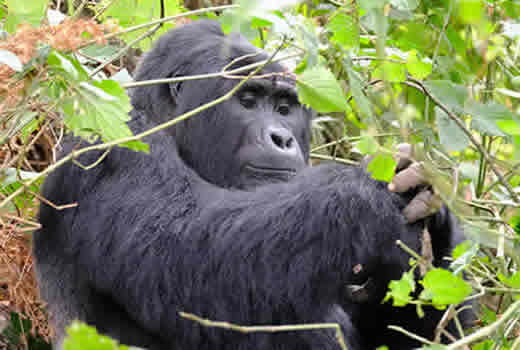
3-Day Bwindi Impenetrable Forest Gorilla Trekking Tour
This itinerary takes travelers from the capital region of Entebbe/Kampala deep into the southwestern hills of Uganda, to one of the most biodiverse rainforests on the continent. Over three days, guests journey through the rolling countryside of Mbarara and Kabale, spend an hour with the mountain gorillas in their natural habitat and then the next day you will return to Kampala or Entebbe for your.....
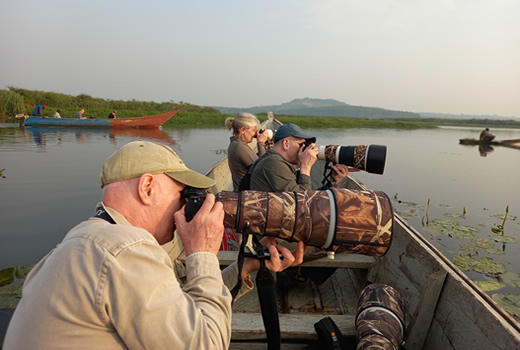
Murchison Falls Wildlife & Chimpanzee Safari
This three-day escape takes you from Kampala into Murchison Falls National Park, Uganda’s largest and one of its most scenic protected areas. The journey begins with rhino tracking on foot at Ziwa Rhino Sanctuary, followed by a game drive through savannah woodlands en route to the thundering falls, where the Nile is forced through a narrow gorge before plunging 45 meters.
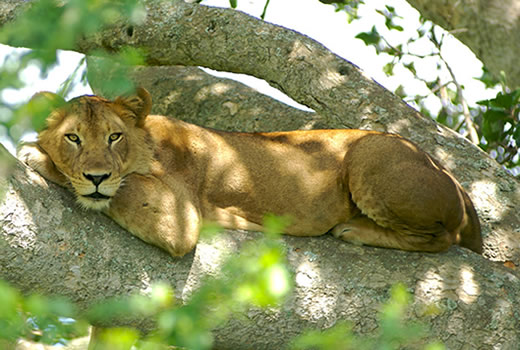
3 Day Queen Elizabeth Wildlife Safari
This carefully designed safari takes you into the heart of East Africa – Uganda, a remarkably diverse destination often referred to as the “Pearl of Africa.” Despite its relatively small size, Uganda boasts an extraordinary range of natural habitats, abundant wildlife, and unique tourism experiences. Your journey includes a visit to the renowned Queen Elizabeth National Park, located at the base of ......
4 Day Uganda Gorilla Trekking Tour
Experience the very best of Uganda on this unforgettable safari, combining exciting wildlife encounters with a once-in-a-lifetime gorilla trekking adventure. Your journey begins at Entebbe, followed by a drive to Lake Mburo National Park, where you will enjoy a game drive and nature walk in search of zebras, impalas, buffaloes, leopards, and other wildlife, with a stop at the Equator for photos and a fun water....
7 day Uganda Gorilla & Wildlife Safari
Depart for queen Elizabeth national park located in the the bottom of Albertine Rift Valley, driving along the foothills of (Rwenzori) Mountains of the moon, one of the great mountain ranges ... Entering the park with a mini game drive as you continue to your accommodation you may see different animals and birds given that the park has got about 95 mammal species and a remarkable 612 bird species.
8 Day Uganda Gorillas & Wildlife Safari
The day begins early as we start the game drive at 6:30am in the Kasenyi plains in search for wildlife which includes the Buffalos, Kobs, Warthogs, Elephants, Waterbucks, Lions, Hyenas, and on lucky days leopards among others. After the game drive that takes about 2 – 3 hours, we go back to the lodge for breakfast, check out and drive to Bwindi through Ishasha sector where tree climbing lions......
12-Day Private Uganda Safari: Gorillas & Big Game
This private safari takes travelers through six of Uganda’s premier wildlife destinations, combining big-game viewing, primate trekking, and boat cruises along the Nile and Kazinga Channel. The route runs from Entebbe north to Murchison Falls, west through Kibale Forest and Queen Elizabeth National Park, south to Bwindi Impenetrable Forest ..........
14-Day Uganda Wildlife Safari: Gorillas, Chimps & Rhinos.
This is a two-week overland safari through Uganda, running from Entebbe back to Entebbe, covering nine major destinations across the country’s premier wildlife and primate-viewing regions. It combines big-game drives, boat cruises, cultural stops, and three separate primate trekking experiences (rhino, chimpanzee x2, and gorilla), making it a comprehensive ........
15-Day Uganda Wildlife & Primate Safari
This safari combines Uganda’s classic savanna wildlife parks with world-class primate trekking, including chimpanzee tracking and mountain gorilla trekking, plus a rhino trek and a relaxing lakeside finale. Destinations Visited: Entebbe → Murchison Falls National Park → Semuliki National Park → Kibale Forest National Park → Queen Elizabeth National Park →
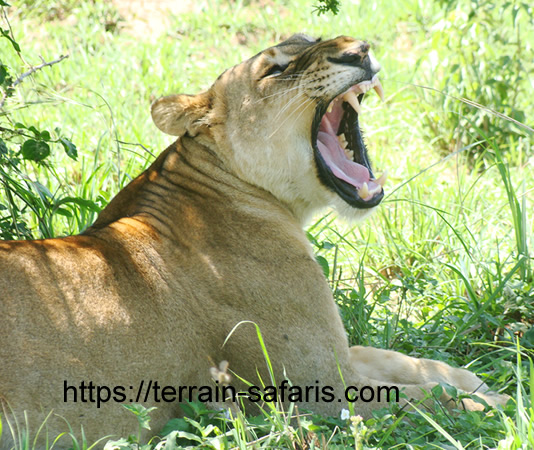
Uganda Wildlife Safaris
Uganda, often called the “Pearl of Africa,” is home to extraordinary biodiversity despite its relatively small size. The country hosts nearly half of the world’s remaining mountain gorillas, found in Bwindi Impenetrable Forest and Mgahinga National Park. Beyond gorillas, Uganda boasts over 1,000 bird species, tree-climbing lions in Queen Elizabeth National Park and vast savannas teeming with elephants, buffalo, and antelope across Murchison Falls and Kidepo Valley.
Conservation efforts in Uganda involve a mix of government agencies, local communities and international organisations working to combat poaching, habitat loss and human-wildlife conflict.