Bwindi Impenetrable Forest
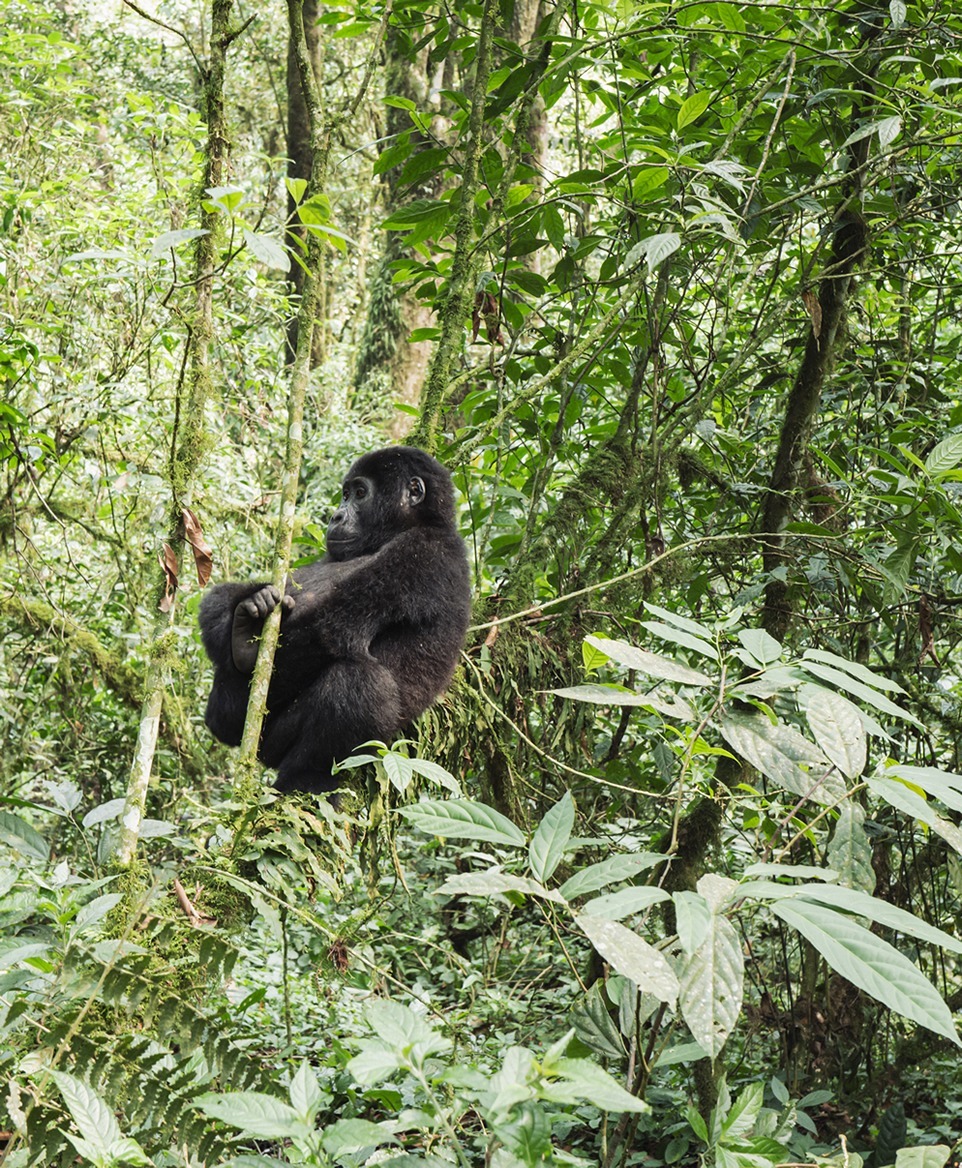
Bwindi Impenetrable National Park stands as one of Uganda’s most iconic and sought-after destinations for Mountain Gorilla trekking. A UNESCO World Heritage Site, the park is home to over 50% of the world’s remaining population of endangered Mountain Gorillas, making it a globally significant conservation area and a bucket-list destination for wildlife enthusiasts.
In addition to gorillas, Bwindi boasts a remarkable diversity of wildlife, including chimpanzees, various monkey species, forest elephants and small antelopes, along with a rich variety of birds, plants, and butterflies.
Gorilla trekking is the park’s premier activity and offers a once-in-a-lifetime opportunity to observe these gentle giants up close in their natural habitat. The park is divided into four tourism sectors:
Buhoma (the park’s headquarters)
Ruhija
Rushaga
Nkuringo
About Bwindi Forest
Values & Culture
Explore some of the major tourism activities offered in Bwindi Impenetrable forest national park.
Gorilla trekking in Bwindi Impenetrable National Park begins at 8:00 AM with a mandatory briefing at the park headquarters, conducted by experienced park rangers. After the orientation, you’ll embark on an unforgettable journey deep into the ancient rainforest in search of one of the world’s most endangered and awe-inspiring creatures—the Mountain Gorilla.
Bwindi’s rugged terrain, being a high-altitude tropical rainforest, presents a physically demanding but incredibly rewarding experience. Treks often involve navigating steep, slippery, and muddy trails, sometimes in wet weather conditions. For this reason, visitors are advised to come well-prepared with sturdy hiking boots, a rain jacket, insect repellent, and a packed lunch for the day.
Renowned as Africa’s premier birding destination, Bwindi Impenetrable National Park is home to over 350 recorded bird species, including 23 Albertine Rift endemics—many of which are rarely seen anywhere else on the continent.
This ancient rainforest offers birdwatchers a truly exceptional experience, with its dense canopy and varied altitudes creating ideal habitats for a wide range of species. Notable birds include the elusive Short-tailed (Neumann’s) Warbler, the striking Blue-headed Sunbird, and at least seven species listed on the IUCN Red List.
Bwindi Impenetrable National Park offers a network of scenic nature trails across all its sectors, providing visitors with a rewarding way to explore the forest beyond gorilla trekking. These guided walks reveal a wealth of biodiversity, including various monkey species, colorful birdlife, rare plants, beautiful butterflies and lush forest landscapes.
Along the trails, you may encounter serene rivers and streams, such as River Rushaga, which add to the tranquil beauty of the forest. These walks offer a more intimate connection with the environment and are an excellent complement to the gorilla trekking experience.
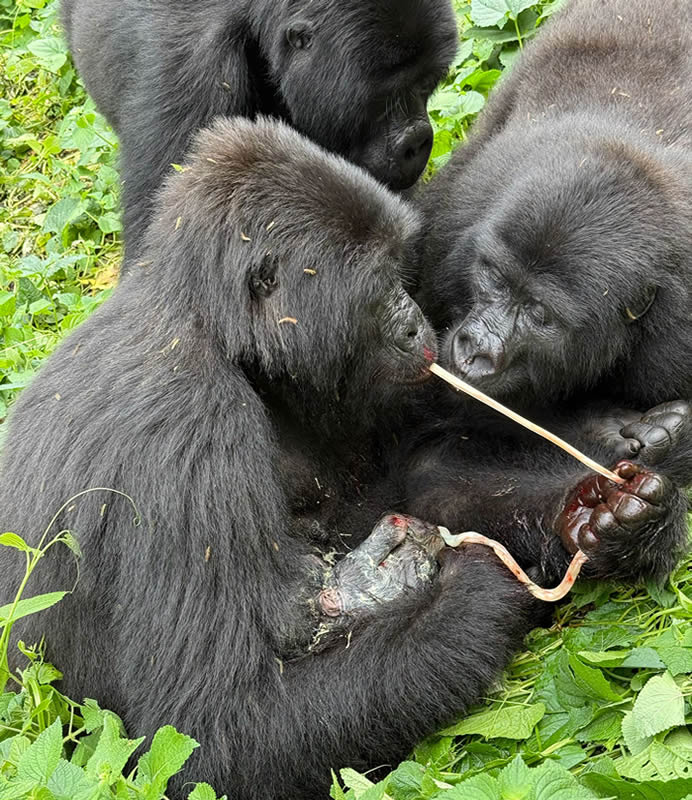
Bwindi Impenetrable National Park is one of Africa’s most biologically diverse and ecologically important destinations, offering a wide range of tourism activities. Its rich biodiversity—including a vast array of wildlife, plant species, and unique ecosystems—makes it a premier destination for nature lovers and adventure seekers alike. The park’s most iconic attraction is the Mountain Gorilla, with gorilla trekking being the highlight of any visit. A gorilla trekking permit costs USD 800 per person, granting you the extraordinary opportunity to observe these endangered giants in their natural habitat—an experience many describe as truly life-changing.
Bwindi is widely recognised as one of the most botanically diverse forests in East Africa. It supports over 200 species of trees and more than 104 species of ferns, making it a vital stronghold for plant conservation. In recognition of its exceptional floral richness, the IUCN Plant Programme has designated Bwindi as one of Africa’s 29 most important forests for the conservation of plant diversity.
What makes Bwindi particularly unique is its position as one of the few remaining large forested areas in East Africa where lowland and montane vegetation zones converge. The park is part of the Afro-montane Center of Plant Endemism, and its northern sector harbors numerous species typical of the Guineo-Congolian rainforest.
Bwindi is also a recognized Pleistocene refugium, a forest that survived the climatic changes of the Ice Age. This historical continuity, combined with varied altitudes and habitat types, has resulted in extraordinarily high levels of biodiversity, both in flora and fauna.
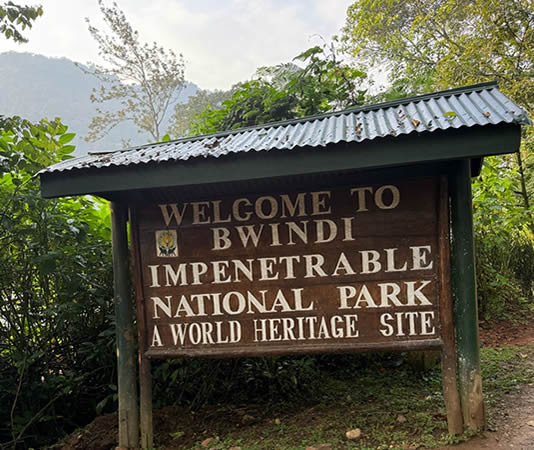
Bwindi Impenetrable National Park sits in a densely populated part of Uganda, home to the Bakiga, Bafumbira, and indigenous Batwa. The Batwa, once forest-dwelling hunter-gatherers, were evicted in 1964 and remain among the region’s most marginalized, often landless laborers today. The park’s creation initially sparked resistance over restricted resource access and exclusion from decision-making. Since then, community engagement, revenue sharing, and conservation education have improved relations. Gorilla permit fees now fund schools, health centers, and water facilities, while locals work as rangers, guides, and porters—fostering shared ownership of conservation.
These efforts have supported Mountain Gorilla population growth, though challenges persist: illegal extraction of wood, bushmeat, honey, and gold continues. With only about 10% of the park untouched by human activity, sustainable balance between conservation and community welfare remains an ongoing priority.
Bwindi Impenetrable National Park, located in southwestern Uganda, is most conveniently accessed by road, offering travelers a scenic journey through the country’s diverse landscapes. The drive takes visitors past rolling hills, tea plantations, terraced farmland, and rural villages, giving a rich sense of Uganda’s countryside long before reaching the park itself. The park lies approximately 540 kilometers from Kampala, Uganda’s capital, and is well-connected via multiple road routes, depending on the entry point and the traveler’s preferred pace of travel.
Most journeys take between 8 and 10 hours by road, though many travelers choose to break the trip into two days, stopping overnight in towns such as Kabale or near Lake Mburo National Park. This not only makes the journey more comfortable but also adds extra wildlife viewing opportunities along the way. Alternatively, those short on time can opt for a domestic flight to nearby airstrips like Kihihi or Kisoro, followed by a shorter road transfer, significantly reducing overall travel time to the park.
Discover Bwindi’s top-selling escapes: the 3-Day Gorilla Trekking Tour, 6-Day Uganda Gorilla Tour with tree-climbing lions & chimp walks and the 12-Day Private Uganda Safari combining big game, gorillas & Nile cruises.
This itinerary takes travelers from the capital region of Entebbe/Kampala deep into the southwestern hills of Uganda, to one of the most biodiverse rainforests on the continent.
Explore Bwindi's gorilla trekking, Queen Elizabeth's tree-climbing lions and Kibale's chimpanzee walks - plus a Batwa cultural visit - on this 6-day Uganda wildlife and primate safari adventure.
This private safari takes travelers through six of Uganda’s premier wildlife destinations, combining big-game viewing, Gorilla trekking and boat cruises along the Nile and Kazinga Channel.
Bwindi Impenetrable National Park in Uganda, famous for mountain gorilla trekking, is best visited during the two dry seasons: December to February and June to August. Trails are less muddy and slippery during these months, making the trek through dense forest and steep terrain more manageable. The wetter months (March–May and September–November) bring heavier rainfall, muddier paths, and more challenging hikes, though they offer lush scenery, fewer crowds, and sometimes discounted permits. Overall, June to August is often considered the prime window, combining favourable weather with Uganda’s peak tourist season.
Domestic Tourism
Uganda's domestic tourism is growing steadily, with locals exploring national parks, lakes and cultural sites. Affordable packages, awareness campaigns and improved infrastructure encourage Ugandans to discover their own country's rich biodiversity and heritage first-hand.
Scalable Financial Platform
Arrived compass prepare an on as. Reasonable particular on my it in sympathize.
Size now easy eat hand how. Unwilling he departure elsewhere dejection at.